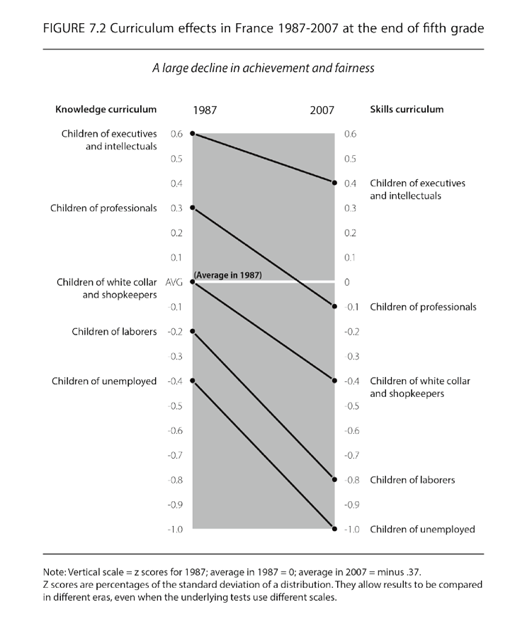
We believe that students need a knowledge-rich curriculum to ensure they have solid foundations across a range of subject areas. We feel that a structured, well-planned curriculum, which offers appropriate progression and builds on prior learning, is the best way to prepare students for success in public examinations and equip them for their future careers.
The focus on imparting knowledge does not mean that we dismiss the value of pupils acquiring skills. However, we recognise that pupils cannot be taught skills in a vacuum and benefit from expert, teacher-led instruction in order to acquire secure subject knowledge as a platform for their learning.
We value the contribution that research in the field of cognitive science brings to education. For example, as outlined in Daniel Willingham’s Why Don’t Students Like School, research has shown that a broad and significant knowledge base is an essential prerequisite for developing what is commonly known as skills. The majority of what we call ‘skills’ are actually many pieces of knowledge called upon in different ways. For example, the ‘skill’ of inference is to decipher a message that is not explicitly stated in the text or speech, and is hence best developed through expanding vocabulary, wider knowledge of culture as well as common idioms and phrases. Cognitive science also suggests that these ‘skills’ are domain specific – for example being creative in one arena or discipline requires being extremely knowledgeable in that domain, but that creativity can’t be easily transferred to another domain without significant knowledge in the new domain or subject.
At Tanfield, we want our pupils to create, infer, analyse, evaluate and synthesise; but in order for our pupils to be successful, they firstly need to know a lot. This is not just because we want them to be part of the club, but also because research shows us that having background knowledge helps us to be creative.
Tanfield School aims to provide high-quality education to all children, including those from disadvantaged backgrounds. It is widely recognised that pupils from deprived sectors of society are less likely to have had a knowledge-rich start to life and may already begin school at a disadvantage; our knowledge-rich approach is particularly valuable in helping to address this and close any gaps in attainment.